The Future of Trucking: Essential Types and Business Strategies for 2026
- kaurrajwinder0801
- Apr 20
- 4 min read

The trucking industry is evolving rapidly as new technologies, environmental concerns, and shifting market demands reshape how goods move across the globe. By 2026, businesses that understand the most popular truck types and adopt smart strategies will gain a competitive edge. This post explores the key truck categories shaping the future and offers practical insights for companies aiming to thrive in the changing landscape.
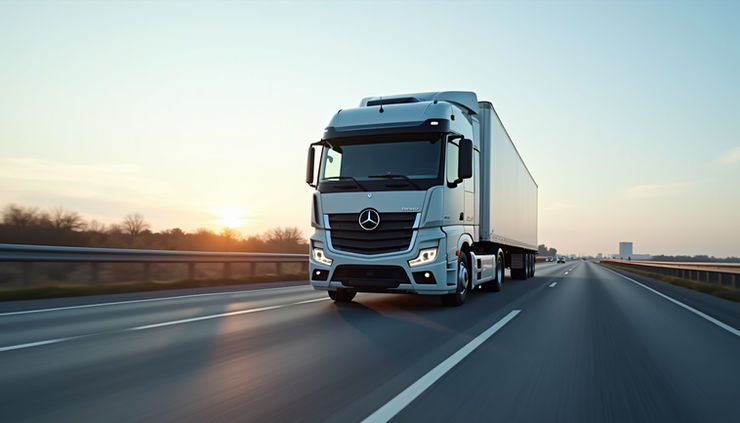
Popular Truck Types Driving the Industry Forward
Trucking fleets are diversifying to meet different needs, from long-haul freight to last-mile delivery. Understanding the main truck types helps businesses choose the right vehicles for their operations.
1. Class 8 Heavy-Duty Trucks
Class 8 trucks are the backbone of long-distance freight hauling. These vehicles typically have a gross vehicle weight rating (GVWR) over 33,000 pounds and include tractor-trailers and big rigs. They handle large cargo volumes and cover thousands of miles, making them essential for cross-country shipping.
Key features:
Powerful engines designed for heavy loads
Advanced safety systems like collision mitigation
Increasing availability of electric and hybrid models
Electric Class 8 trucks are gaining traction as companies seek to reduce emissions and fuel costs. For example, manufacturers like Tesla and Freightliner have introduced electric semi-trucks with ranges exceeding 300 miles, suitable for regional routes.
2. Medium-Duty Trucks (Class 4-6)
Medium-duty trucks serve a variety of roles, including local deliveries, utility services, and construction. They have GVWRs between 14,001 and 26,000 pounds. These trucks are versatile, often configured as box trucks, flatbeds, or refrigerated units.
Advantages:
Easier to maneuver in urban areas
Lower operating costs compared to heavy-duty trucks
Suitable for last-mile delivery and specialized cargo
With e-commerce growth, demand for medium-duty trucks has surged. Companies like UPS and FedEx rely heavily on these vehicles for timely parcel delivery.
3. Light-Duty Trucks (Class 1-3)
Light-duty trucks include pickups and smaller commercial vehicles with GVWRs under 14,000 pounds. They are common in trades like landscaping, plumbing, and small-scale deliveries.
Benefits:
Cost-effective for small businesses
Flexible for diverse tasks
Increasingly available with electric powertrains
Electric pickups from brands such as Ford and Rivian are expanding options for businesses focused on sustainability.
4. Specialized Trucks
Certain industries require trucks tailored to specific cargo or functions. Examples include tanker trucks for liquids, dump trucks for construction materials, and refrigerated trucks for perishable goods.
Considerations:
Specialized equipment increases upfront costs
Compliance with safety and environmental regulations is critical
Maintenance and driver training require extra attention
Businesses should evaluate their cargo needs carefully to select the right specialized truck type.
Business Strategies for Trucking Success in 2026
Owning the right trucks is only part of the equation. Companies must also adopt effective strategies to improve efficiency, reduce costs, and meet customer expectations.
Embrace Alternative Fuels and Electrification
Fuel expenses represent a significant portion of trucking costs. Switching to electric or alternative fuel trucks can lower operating expenses and reduce carbon footprints.
Electric trucks offer lower maintenance and fuel costs but require investment in charging infrastructure.
Compressed natural gas (CNG) trucks provide a cleaner alternative to diesel with established fueling networks.
Hydrogen fuel cell trucks are emerging but still in early adoption stages.
Businesses should analyze route lengths, cargo types, and infrastructure availability before transitioning.
Invest in Fleet Telematics and Data Analytics
Modern telematics systems provide real-time tracking, driver behavior monitoring, and predictive maintenance alerts. Using data analytics helps companies:
Optimize routes to save time and fuel
Improve driver safety and reduce accidents
Schedule maintenance proactively to avoid breakdowns
For example, a logistics company reduced fuel consumption by 10% after implementing telematics and adjusting routes based on traffic data.
Focus on Driver Recruitment and Retention
The trucking industry faces a shortage of qualified drivers. Retaining skilled drivers improves safety and reduces turnover costs.
Effective approaches include:
Offering competitive pay and benefits
Providing training and career development opportunities
Using technology to reduce driver stress, such as automated safety features
Companies that prioritize driver well-being often see higher productivity and better customer service.
Adapt to E-commerce and Last-Mile Delivery Trends
E-commerce growth demands faster, more flexible delivery solutions. Businesses should consider:
Expanding medium and light-duty truck fleets for urban deliveries
Using route optimization software to handle multiple stops efficiently
Partnering with local delivery services for last-mile coverage
For instance, a retailer integrated electric vans into its fleet to meet same-day delivery targets while lowering emissions.
Comply with Regulatory Changes
Governments worldwide are tightening emissions standards and safety regulations. Staying compliant avoids fines and enhances reputation.
Monitor updates from agencies like the EPA and DOT
Invest in trucks that meet or exceed emission standards
Train drivers on new safety protocols
Proactive compliance positions companies as responsible operators and can open doors to green incentives.
Preparing for Technological Advances
Technology will continue to reshape trucking beyond 2026. Autonomous trucks, advanced driver-assistance systems (ADAS), and connected vehicle platforms are on the horizon.
Autonomous trucks promise to improve safety and reduce labor shortages but require regulatory approval and infrastructure upgrades.
ADAS features like lane-keeping assist and adaptive cruise control are becoming standard, enhancing driver support.
Connected vehicles enable seamless communication between trucks, warehouses, and customers for better coordination.
Businesses that stay informed and pilot new technologies early will be better positioned for future shifts.

Comments